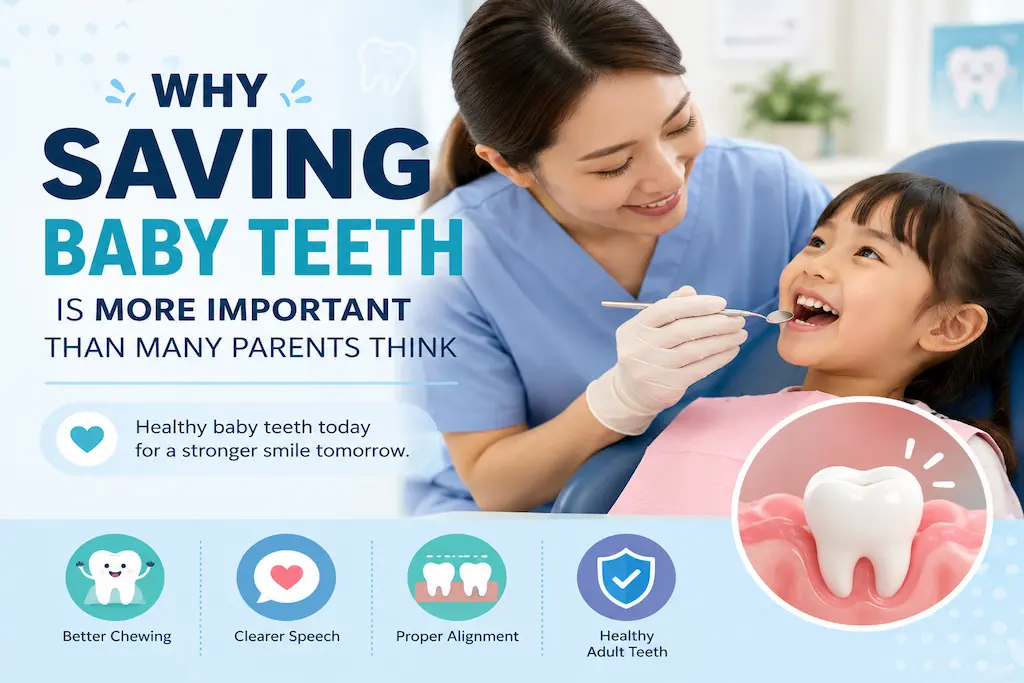
What to Expect During Your Child’s First Pediatric Dental Visit
Starting your child’s dental journey early is one of the best ways to ensure they have a lifetime of healthy smiles. The first pediatric dental visit is crucial for setting the foundation for good oral health habits. If you’re wondering what to expect during this visit, you’re not alone. Many parents feel unsure or nervous about their child’s first trip to the dentist. In this blog post, we’ll walk you through the process and give you a clear idea of what will happen during your child’s first pediatric dental appointment.
The Right Time for the First Visit
The American Academy of Pediatric Dentistry recommends scheduling your child’s first dental visit by their first birthday, or within six months after the first tooth erupts. Early visits help prevent potential dental issues, build a foundation of trust with the dentist, and introduce good oral hygiene habits from the very start.
Meeting the Pediatric Dentist
At the first visit, your child will meet the pediatric dentist, who specializes in treating children. Pediatric dentists are trained to work with children of all ages and understand how to make them feel at ease. The dentist will introduce themselves and explain the process to both you and your child in a friendly, comforting way. You can expect the dentist to:
- Gently examine your child’s teeth and gums
- Assess their risk for dental issues
- Discuss oral care habits like brushing, flossing, and diet
The Exam A Simple, Quick Process
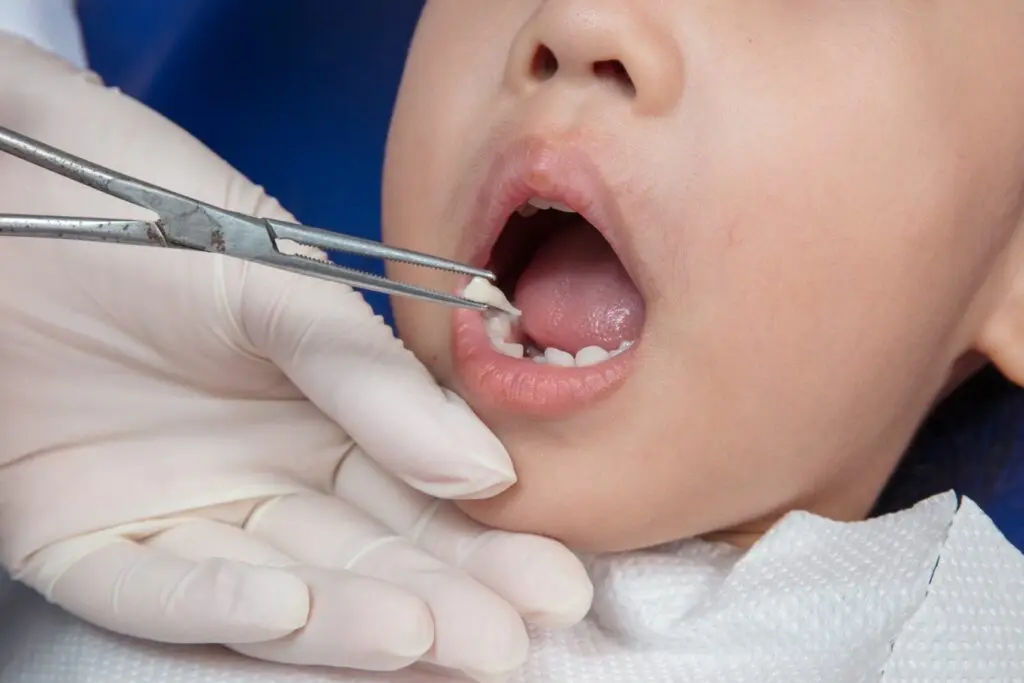
The pediatric dental exam is often quick and non-invasive. The dentist will:
- Examine your child’s teeth and gums for signs of early tooth decay, cavities, or gum disease
- Check for any potential issues with the teeth’s alignment
- Look for oral habits like thumb-sucking that could affect dental health
- Gently clean the teeth, if necessary, and provide fluoride treatment to help prevent cavities
In most cases, the dentist will also make recommendations for at-home care and answer any questions you might have about your child’s oral health.
X-Rays (If Necessary)
If your child is a bit older or has specific dental concerns, the dentist may recommend taking X-rays. This will allow the dentist to see hidden dental issues, such as cavities between teeth or below the surface of the gums. However, X-rays are usually not needed during the very first visit, especially if your child is younger. Pediatric dental offices typically use low-radiation X-rays, ensuring the safety and comfort of your child.
Establishing Good Oral Hygiene Habits
The first visit is a great time to establish healthy oral care habits. The dentist will demonstrate how to properly brush and floss your child’s teeth, and offer helpful tips for parents to ensure that proper habits are followed at home. This may include:
- Recommendations for the right toothbrush and toothpaste for your child’s age
- How to brush your child’s teeth and help them floss
- Tips on dietary choices that promote healthy teeth (e.g., limiting sugary snacks)
Discussing Future Visits and Preventive Care
The dentist will discuss how often your child should visit for routine checkups, typically every six months. Early visits help track dental development and identify any issues. Fluoride treatments or dental sealants may also be recommended to protect your child’s teeth.
The Comforting Environment
Pediatric dental offices are designed to make children feel comfortable. Expect child-friendly decor, engaging distractions like toys and books, and a gentle, caring staff who help ease any anxiety.
Handling Dental Anxiety
It’s normal for kids to feel anxious. The dentist will create a calm environment, using gentle distractions to keep your child at ease. You can help by talking positively about the visit and avoiding fear-based language.
Post-Visit Care and What’s Next
After the appointment, the dentist will provide care instructions, including any follow-up treatments or exams. You’ll also get guidance on maintaining your child’s oral hygiene at home and understanding what to expect in future visits.
Conclusion
Your child’s first dental visit sets the foundation for a lifetime of healthy smiles. By scheduling early, preparing your child, and understanding the process, you can ensure a positive experience. Regular visits and good habits will help keep their teeth healthy for years to come.