Why Saving Baby Teeth Is More Important Than Many Parents Think
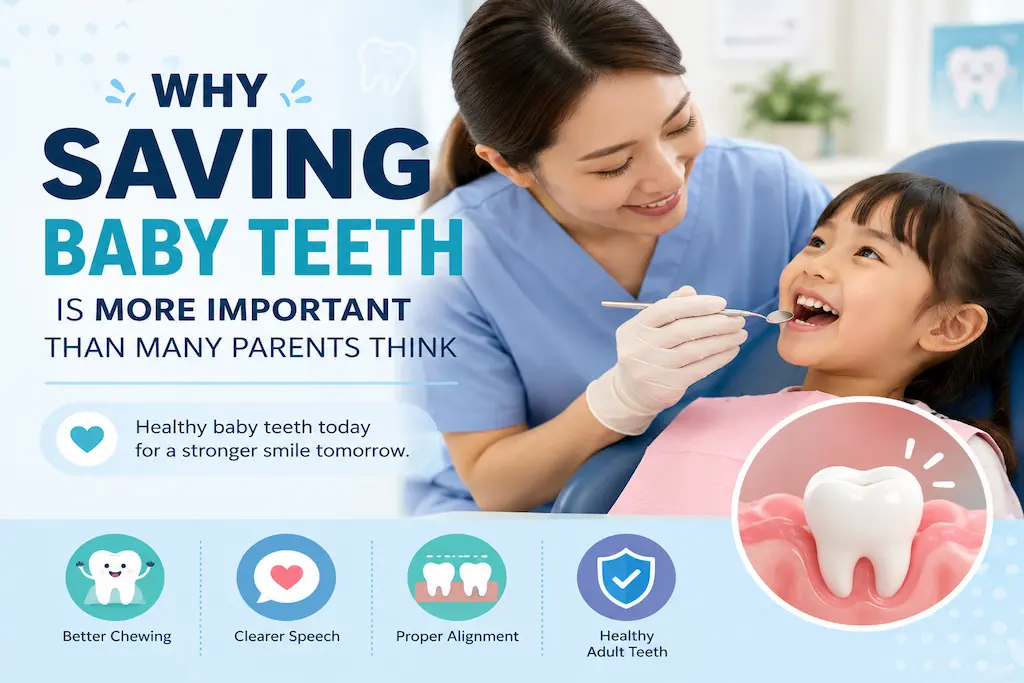
Many parents ask the same honest question: if baby teeth fall out anyway, why fix them? The answer is simple. Baby teeth are temporary, but their job is not small. They help your child eat, speak, smile, and keep space for adult teeth.
That is why fillings for baby teeth may be recommended when a cavity is growing or causing discomfort. A filling can stop the damaged spot from getting worse and help the tooth stay useful until it falls out naturally. The goal is to protect your child from pain, early tooth loss, and bigger dental visits later.
The Right Time for the First Visit
The American Academy of Pediatric Dentistry recommends scheduling your child’s first dental visit by their first birthday, or within six months after the first tooth erupts. Early visits help prevent potential dental issues, build a foundation of trust with the dentist, and introduce good oral hygiene habits from the very start.
Baby Teeth Matter More Than Parents Think
Baby teeth work like natural space holders. They help adult teeth come in where they should. The American Academy of Pediatric Dentistry explains that baby teeth help children chew, speak clearly, and guide permanent teeth into place.
If a baby tooth is lost too early, nearby teeth may shift into the open space. Later, the adult tooth may not have enough room. This is why baby teeth matter beyond today’s smile.
Tooth Decay In Children Can Spread Fast
Tooth decay in children often starts quietly. A small white, brown, or dark spot may not hurt at first. But if it grows, your child may feel pain with sweets, cold drinks, or chewing.
Waiting too long can make treatment harder. A small filling may become a larger repair. If your child has swelling, strong pain, or trouble sleeping because of a tooth, emergency dental care for kids may be needed.
Fillings For Baby Teeth Can Save The Tooth
Fillings for baby teeth make sense when the tooth still has an important job. For example, a back baby tooth may need to stay for several more years. If that tooth has a growing cavity, a filling can help your child chew comfortably and keep the tooth in place.
Parents may hear the phrase treat primary tooth decay. In simple words, this means treating decay in a baby tooth before it causes pain or spreads. Dentists may also call this pediatric dental restoration, but for parents it simply means repairing a child’s tooth so it can keep working.
Baby Tooth Cavities May Not Need Filling
Not every small spot needs a filling right away. A dentist may suggest watching the tooth if the mark is tiny, the tooth is already loose, or it is expected to fall out soon.
Parents should not guess at home because two cavities can look similar but need different care. A small surface mark may be watched, while a hidden spot between teeth may grow faster. A dental exam gives parents a safer answer.
Filling Vs Waiting For Baby Tooth Decay
Waiting is usually best only when the spot is very small or the tooth is close to falling out. It can save your child from unnecessary treatment, but it needs follow-up.
A filling is best when the tooth can still be saved and the cavity is likely to grow. Removing the tooth is usually considered when it is badly damaged. If spacing is a concern, your dentist may suggest growth guidance or a visit with a kids orthodontist in Wellesley MA.
Baby Tooth Filling: What Parents Can Expect
A baby tooth filling visit is usually simple. First, the dentist checks the tooth and explains what they see. Then the tooth is kept comfortable. The damaged part is cleaned, and the tooth is filled with material that helps protect it.
Ask how long the visit may take, whether your child can eat afterward, and what comfort options are available. For very nervous children, sedation dentistry for kids may be discussed when appropriate.
Baby Tooth Cavity Signs To Watch
Your child may need a cavity check if you notice tooth pain, chewing on one side, sensitivity to cold drinks, pain with sweets, bad breath that does not improve, or a brown, black, or chalky white spot.
Some children do not explain pain clearly. They may refuse crunchy foods, cry during meals, or wake up at night. Regular care with Wellesley Pedodontics & Orthodontics can help parents know what needs attention.
Baby Teeth Care After A Filling
After a filling, home care matters. Help your child brush twice daily, especially near the gumline and back teeth. Young children often miss these areas, even when they try hard.
Limit sticky candy, juice, sports drinks, and frequent snacking. Water between meals helps wash the mouth. If your child wears braces or appliances, follow proper brushing and flossing tips because food can hide around brackets and wires.
Questions Before Choosing Baby Tooth Fillings
Before saying yes or no to a filling, ask simple questions. How big is the cavity? Is the tooth close to falling out? What happens if we wait three months? Is this the smallest treatment option? Could the cavity affect nearby teeth?
The best plan depends on the tooth, your child’s age, pain level, and how long the tooth should stay in place.
Saving Baby Teeth Protects Adult Teeth
Saving baby teeth is not about keeping them forever. It is about helping them do their job until the right time. Fillings can stop pain, protect chewing, and reduce the chance of bigger problems later.
If you see spots, pain, swelling, or food avoidance, schedule a dental check. Early care is usually easier for children and clearer for parents.
Why Choose Wellesley Pedodontics & Orthodontics?
At Wellesley Pedodontics & Orthodontics, families get child-focused dental care, clear guidance, and a calm visit experience. Our team helps parents understand cavity choices, prevention, emergency needs, and smile growth. From baby teeth to braces, we make every step easier, safer, and more comfortable for children in Wellesley and nearby communities.