Nitrous Oxide for Kids Dental Care: Which Sedation Is Right?
If your child fears dental treatment, you may wonder whether laughing gas is enough or a deeper option would be better. Nitrous oxide for kids can make care calmer while the child remains awake. The right choice depends on fear, health history, cooperation, and treatment needs. Understanding the options can help you discuss a suitable plan.
How Nitrous Oxide for Kids Works
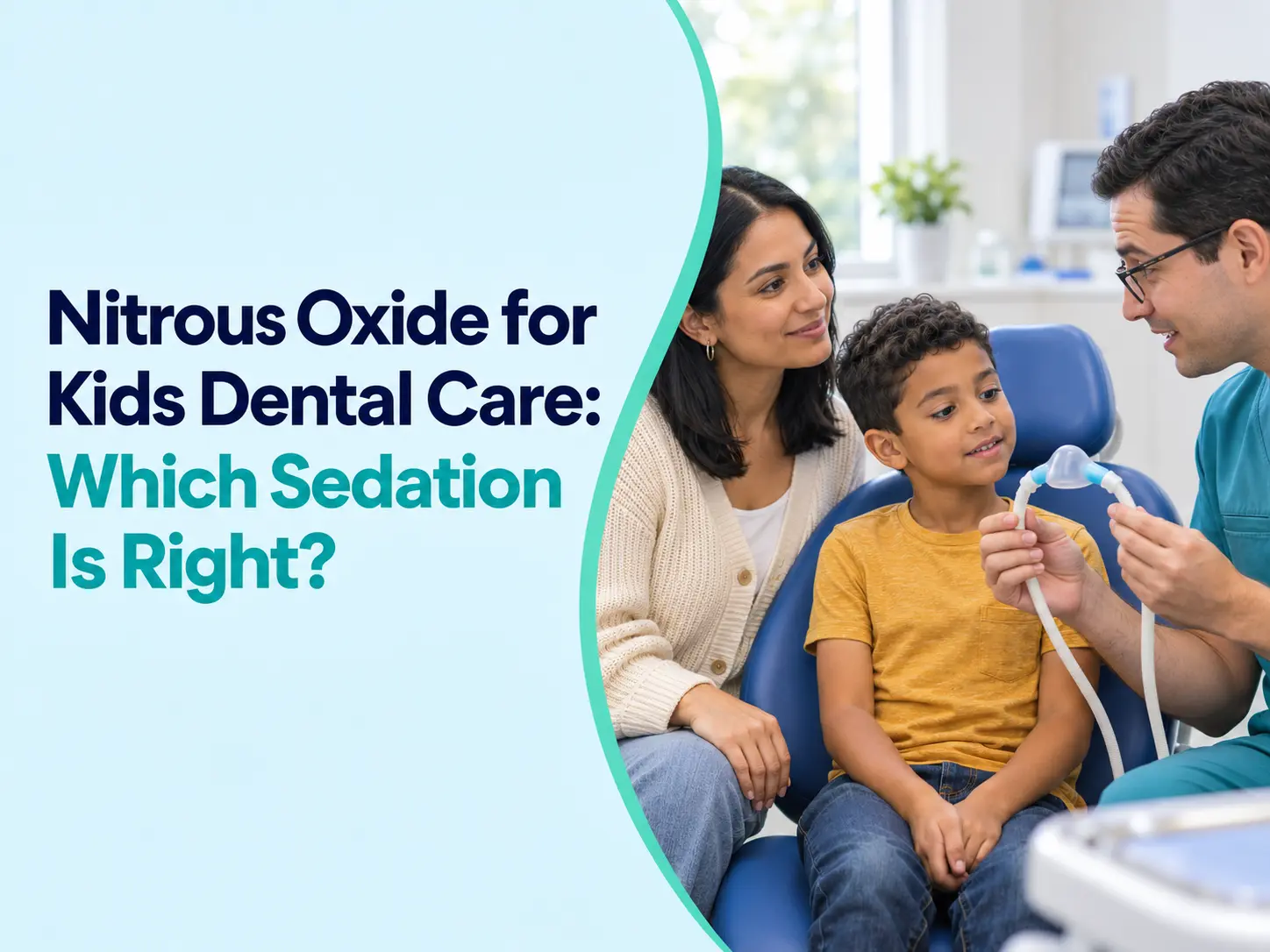
Nitrous oxide, commonly called laughing gas, is mixed with oxygen (30% to 50% nitrous oxide balanced with oxygen) and breathed through a small nose mask. Within minutes, many children feel relaxed or tingly. They can hear the dentist, answer questions, and breathe without help.
The gas reduces fear but does not always block pain. Numbing medicine may still be needed for a filling or tooth removal. Its calming effect usually fades soon after the mask comes off.
When Dental Sedation Helps
Sedation for an anxious child may help when fear makes sitting still or accepting care difficult. It can also support children with a strong gag reflex, sensory sensitivity, or a previous difficult visit.
One filling may be manageable with laughing gas and cavity repair for children. Several treatments may require a longer-lasting option. Children needing extra time, familiar routines, or adjusted communication may benefit from sensory-aware dental support.
Which Pediatric Sedation Fits Best?
The types of pediatric dental sedation range from light relaxation to full sleep. The goal is the lightest suitable option.
Nitrous Oxide: Awake And Relaxed
Laughing gas often fits mild to moderate fear and shorter visits. The child must breathe through the nose and follow simple directions. Recovery is usually quick.
Oral Medicine: Sleepier But Responsive
A child takes medicine by mouth and may become sleepy while still responding when spoken to. Its effects last longer, so eating, transportation, and home-care instructions matter.
IV Sedation: Deeper And Adjustable
IV sedation for a child’s dental care sends medicine through a small tube in the hand or arm. It may fit severe fear or extensive treatment. Recovery takes longer than with laughing gas.
Full Sleep Care: For Complex Needs
With full sleep care, the child is completely asleep. It may be considered for extensive treatment or when awake care cannot be completed safely.
| Option | Child’s Awareness | Common Fit | Recovery |
| Laughing gas | Awake and responsive | Mild fear, shorter care | Usually within minutes |
| Oral medicine | Sleepy but responsive | Moderate fear | Several hours may be needed |
| IV sedation | Deeply relaxed | Extensive care | Planned supervision needed |
| Full sleep care | Completely asleep | Complex care, unsuccessful lighter options | Longer, closely guided recovery |
How Pediatric Dentists Choose Sedation
A dentist considers age, fear, communication, nose breathing, health history, current medicines, treatment length, and previous dental experiences.
For example, a calm seven-year-old needing one filling may only need laughing gas. A four-year-old who cannot tolerate the mask and needs several teeth treated may need another approach. Dr. Parsi helps parents compare these factors with their child’s needs.
What Laughing Gas Feels Like
Knowing the sequence can reduce uncertainty. Instructions vary, so follow the dental team’s directions.
Before The Visit
Dr. Parsi guides parents on eating, medicines, and arrival. Report breathing concerns, allergies, illness, and past reactions. Call if your child develops a cold or blocked nose because the mask requires nose breathing.
During The Treatment
The mask rests over the nose while your child breathes normally. The team checks their response and adjusts the gas. A child receiving baby tooth nerve care may still need numbing medicine.
After The Treatment
The gas is stopped, and oxygen may be given briefly. Most children soon feel alert. If numbing was used, prevent cheek or lip biting until normal feeling returns.
Which Laughing Gas Side Effects Are Normal?
Laughing gas side effects in kids are usually brief and may include nausea, lightheadedness, headache, warmth, or tiredness. Tell the dental team if your child feels uncomfortable so the gas can be adjusted.
Follow the office’s instructions for food, activity, and supervision. Call if vomiting continues, unusual sleepiness does not improve, or another symptom concerns you. The American Academy of Pediatric Dentistry provides child sedation safety guidance.
When Nitrous Is Not Enough
Laughing gas may not work if a child cannot wear the mask, breathe through the nose, or remain reasonably still. It may also be too light for extensive care or severe fear.
The dentist can pause, review the difficulty, and consider oral medicine, IV sedation, full sleep care, or shorter visits. A deeper option should address a clear need.
What Parents Should Ask About Sedation
Before agreeing to calming dental care, ask why it fits your child, whether they will be awake, who gives the medicine, how they are watched, and what happens if it does not work.
Confirm food rules, parent presence, recovery time, and whether another adult is needed for the trip home.
Choosing The Right Dental Sedation
Nitrous oxide often suits manageable fear, shorter treatment, and children who can use the nose mask. Oral, IV, or full sleep options may fit greater anxiety or extensive care. Share your child’s health history and previous experiences, then ask how each recommendation meets a specific need.
Why Choose Wellesley Pediatric & Orthodontic Dentistry?
Wellesley Pediatric & Orthodontic Dentistry helps families understand dental sedation without rushing the decision. Dr. Parsi listens to parents, considers each child’s comfort and treatment needs, and explains what to expect before, during, and after care. Families receive guidance for preparing their child and supporting a smoother recovery at home.